Cultural Wonders of Kyoto
Kyoto, the ancient capital of Japan, is a city steeped in history and culture. Known for its stunning temples, serene gardens, and rich heritage, Kyoto offers visitors a unique glimpse into Japan’s past. My recent journey through this enchanting city was both inspiring and enlightening, filled with moments of tranquility and awe.
A Brief History of Kyoto
Established in 794 AD, Kyoto served as the imperial capital of Japan for more than a thousand years. This long history has left a profound mark on the city, making it a treasure trove of cultural heritage. Here are some key historical points:
- Heian Period (794-1185): The city was designed as a replica of the Chinese capital, Chang’an, reflecting the cultural exchange between the two nations.
- Muromachi Period (1336-1573): This era saw the rise of Zen Buddhism, influencing the architecture and aesthetics of many temples.
- Edo Period (1603-1868): Kyoto flourished as a center for arts and culture, with the development of traditional crafts and performing arts.
- Modern Era: Although it lost its status as the capital to Tokyo, Kyoto remains a cultural hub, preserving its historical sites and traditions.
Exploring Kyoto’s Temples
Kyoto is home to over 1,600 Buddhist temples, each with its own unique charm and history. Here are some must-visit temples that showcase the city’s architectural beauty and spiritual significance:
Kinkaku-ji (The Golden Pavilion)
Kinkaku-ji, also known as the Golden Pavilion, is one of Kyoto’s most iconic landmarks. This Zen temple is covered in gold leaf, reflecting beautifully in the surrounding pond. Key features include:
- Stunning reflection in the pond, particularly during autumn and spring.
- Beautifully landscaped gardens that enhance the temple’s serene atmosphere.
- A rich history dating back to the 14th century, originally built as a retirement villa for shogun Ashikaga Yoshimitsu.
Fushimi Inari Taisha
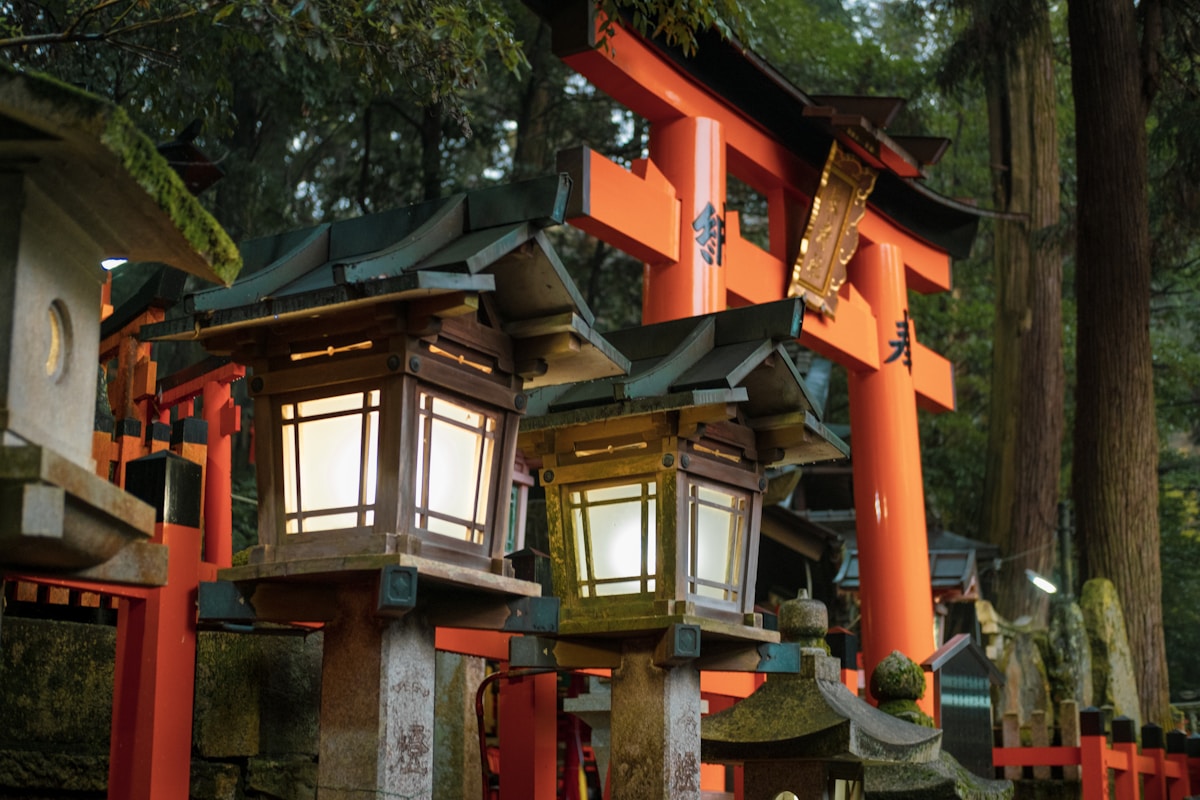
Fushimi Inari Taisha is famous for its thousands of vermillion torii gates that lead up the sacred Mount Inari. This Shinto shrine is dedicated to Inari, the god of rice. Highlights include:
- Over 10,000 torii gates forming picturesque trails through the forest.
- Stunning views of Kyoto from the summit of Mount Inari.
- Fox statues, which are considered to be the messengers of Inari.
Kiyomizu-dera
Kiyomizu-dera, which translates to “Pure Water Temple,” is renowned for its wooden stage that juts out over the hillside, offering breathtaking views of cherry and maple trees. Notable aspects include:
- The main hall, built without the use of nails, showcasing traditional Japanese architecture.
- The Otowa Waterfall, where visitors can drink from three streams for health, success, and love.
- Beautiful cherry blossoms in spring and vibrant foliage in autumn, making it a year-round attraction.
Serene Gardens of Kyoto
In addition to its temples, Kyoto is famous for its meticulously designed gardens that embody the essence of Japanese aesthetics. These gardens are places of contemplation and beauty:
Ryoan-ji
Ryoan-ji is renowned for its rock garden, which is a prime example of Zen garden design. Key features include:
- Fifteen rocks arranged in a way that encourages meditation and reflection.
- A tranquil pond and lush greenery surrounding the garden.
- Historical significance as a UNESCO World Heritage site.
Nanzen-ji
Nanzen-ji is a large temple complex with beautiful gardens that invite peaceful exploration. Highlights are:
- The impressive Sanmon gate, one of the largest wooden gates in Japan.
- Stunning seasonal gardens that change throughout the year.
- A tranquil atmosphere perfect for meditation and relaxation.
A Journey of Inspiration
My journey through Kyoto was not just a sightseeing tour; it was an exploration of the soul of Japan. The combination of historical significance, architectural beauty, and natural serenity left a lasting impression on me. Here are some personal reflections:
- The peacefulness of the gardens provided a perfect escape from the hustle and bustle of daily life.
- The intricate designs of the temples showcased the craftsmanship and dedication of past artisans.
- Each location told a story, connecting me to the rich tapestry of Japanese culture.
Conclusion
Kyoto is a city where history and nature intertwine, offering a unique glimpse into Japan’s past. From the stunning temples to the serene gardens, each experience is a reminder of the beauty and tranquility that can be found in this remarkable city. If you ever have the chance to visit, prepare to be inspired and enlightened by the cultural wonders of Kyoto.